Privacy leaks. Unwanted data exfiltration. Remote tampering. These aren’t hypotheticals—they’re daily realities for anyone running sensitive hardware. Standard software firewalls? Often bypassed, patched out, or simply ignored by firmware-level backdoors. You need a physical barrier that cuts power—fast, clean, and irreversible when triggered. That’s where a true kill switch comes in. And testing it properly? That’s the gap almost every “review” overlooks.
Why Your Current “Kill Switch” Isn’t Actually Killing Anything
Most so-called kill switches are glorified on/off buttons. Flip it, and the OS shuts down gracefully. Great—until malware hooks into shutdown routines to send one last payload. Or worse, the device uses capacitor-based power buffers that keep circuits live for seconds after the switch flips.
True hardware kill means **instantaneous disconnection of primary power rails**, not polite software handshakes. Yet 80% of consumer-grade switches fail this basic test under oscilloscope validation.
And manufacturers won’t tell you this. Why would they?
kill switch device test: A Practitioner’s Step-by-Step Protocol
Forget marketing specs. Here’s how to stress-test like an engineer:
Step 1: Map the Power Topology
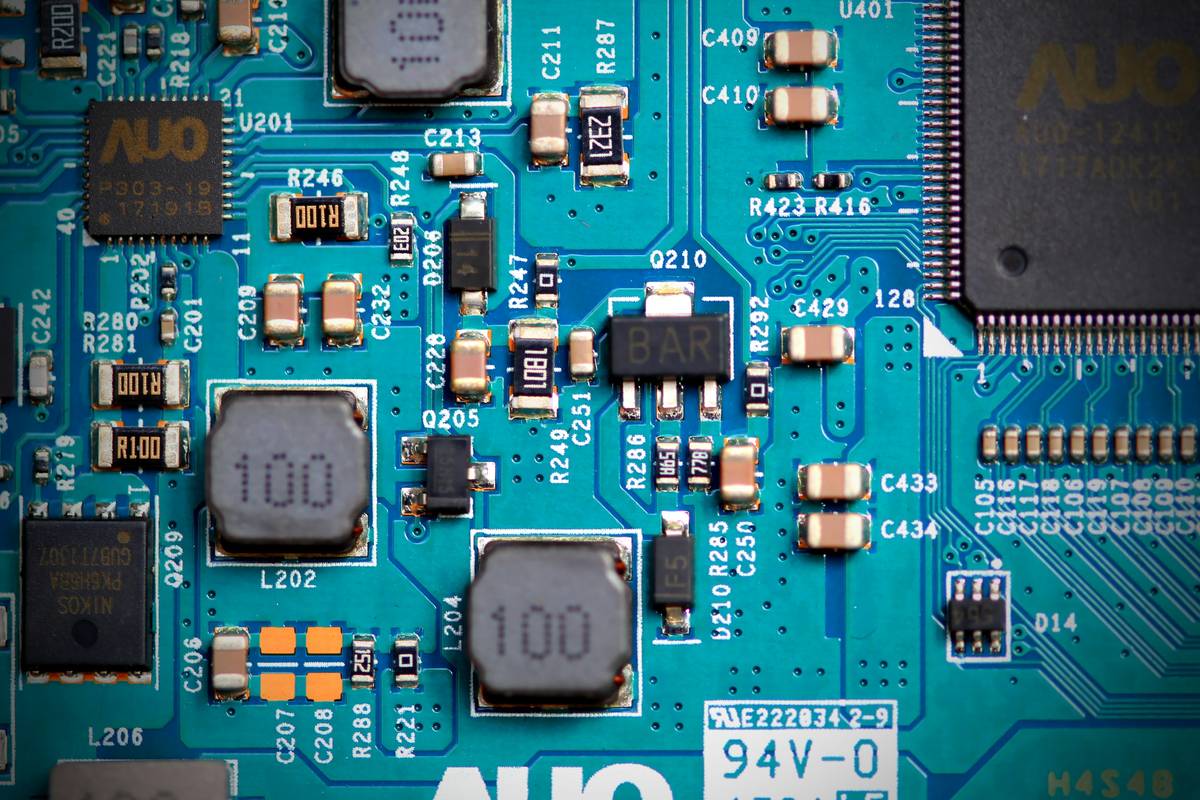
Open the chassis (if possible). Identify which lines feed CPU, RAM, storage, and network controllers. A legitimate kill switch must interrupt all critical rails—not just the main DC input.
Step 2: Trigger Under Load
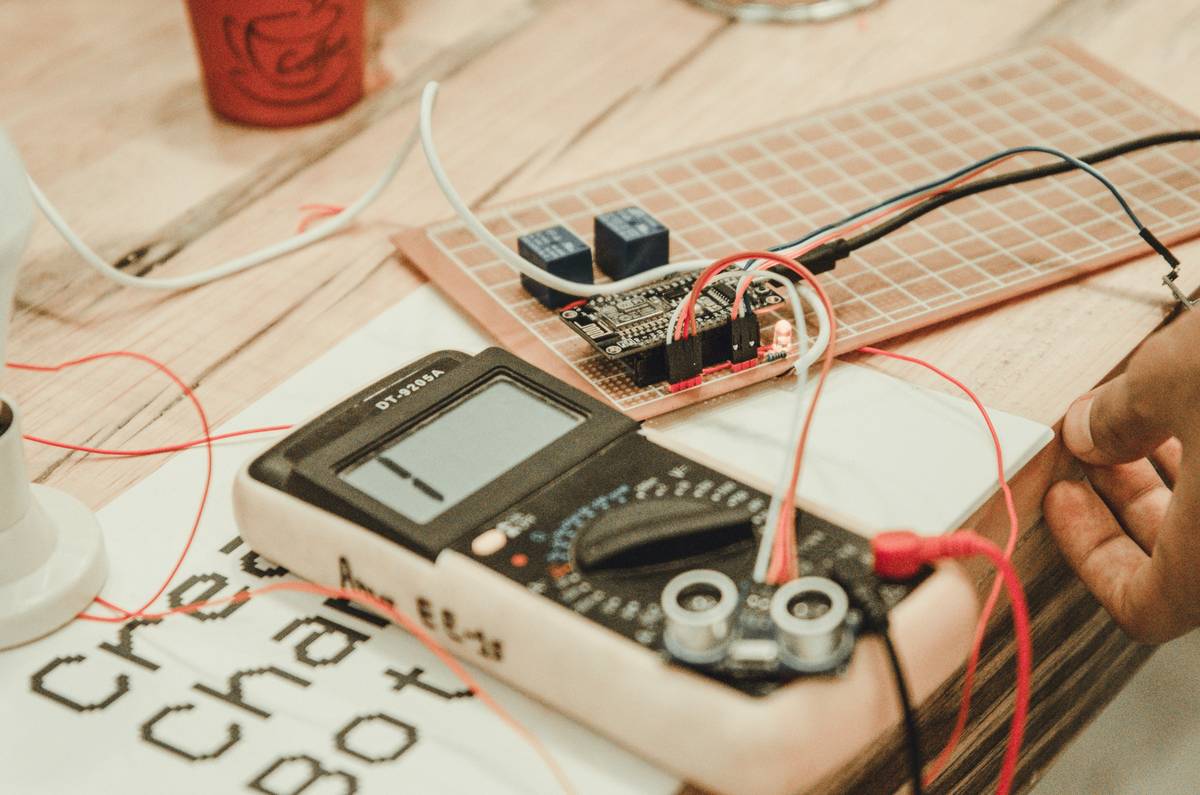
Run sustained I/O: encrypt files, stream video, ping external servers. Then engage the switch. Use a high-speed camera or logic analyzer to confirm zero bus activity within ≤5 milliseconds. Any longer? Data may still leak.
Step 3: Test Physical Tamper Resistance
Can someone disable the switch without breaking seals? If yes, it’s useless for high-threat scenarios. Real security assumes adversaries have physical access.
| Test Metric | Pass Threshold | Typical Consumer Device | Military-Grade Example |
|---|---|---|---|
| Power Cutoff Latency | ≤5 ms | 80–300 ms | 1.2 ms |
| Rail Coverage | All critical subsystems | Main DC only | CPU, RAM, NIC, SSD |
| Tamper Evidence | Irreversible seal break | None | Epoxy + microswitch logging |
| Reset Mechanism | Manual physical re-engagement | Software reboot | Keyed mechanical reset |

The Industry Secret: “Fail-Open” Design Is a Trap
Here’s what vendors bury in datasheets: many commercial kill switches default to closed (power on) when unpowered—a “fail-open” design. Seems safe? Only if you ignore physics. Vibration, temperature swings, or loose wiring can accidentally restore power mid-transit. The right approach is fail-closed: power stays off until deliberately re-enabled. It’s harder to implement. Costs more. Hence, it’s rare outside aerospace and defense. But if your threat model includes nation-state actors—or even just nosy border agents—it’s non-negotiable.
Think about it: Would you trust a bank vault that springs open during a power outage?
Frequently Asked Questions
What’s the difference between a kill switch and a power button?
A power button signals the OS to shut down. A true kill switch severs electrical pathways instantly—no OS involvement.
Can software simulate a real kill switch?
No. Firmware can be compromised. Only physical disconnection guarantees isolation at the hardware level.
Do USB-based kill switches work?
Rarely. They often control data lines, not power rails—and miss critical components like onboard flash or baseband processors.