Your webcam blinked on—by itself. Your mic’s LED flickered during a silent Zoom call. You didn’t trigger it. And that’s the problem. Software-based privacy controls? They’re theater. Malware, spyware, and even legitimate apps bypass them daily. The only real fix isn’t another app—it’s a hardware privacy tool.
The Illusion of Digital Control
Operating systems promise privacy toggles. Third-party firewalls claim total network sovereignty. Yet, if code runs on your machine, it can be subverted. Period. A firmware-level exploit doesn’t ask permission—it just flips your camera on. Think about it: how many zero-day vulnerabilities lurk in your OS right now?
Software kill switches live inside the same compromised environment they’re meant to defend. It’s like locking your front door but leaving the basement window wide open—with a sign saying “Enter here.”
How to Actually Lock Down Your Devices
True privacy starts at the physical layer. Here’s how to implement it without turning your desk into a Faraday cage.
Physical Kill Switches: The Gold Standard
A hardware kill switch severs power or data flow at the circuit level. No electricity. No signal. No way in. These aren’t gimmicks—they’re used by military contractors and forensic labs for a reason.

DIY vs. Commercial Solutions
You could solder your own—but one wrong move fries your motherboard. Pre-built modules (like those from Pimoroni or PrivacyShell) offer plug-and-play reliability with failsafe grounding.
USB Data Blockers vs. Full Circuit Cuts
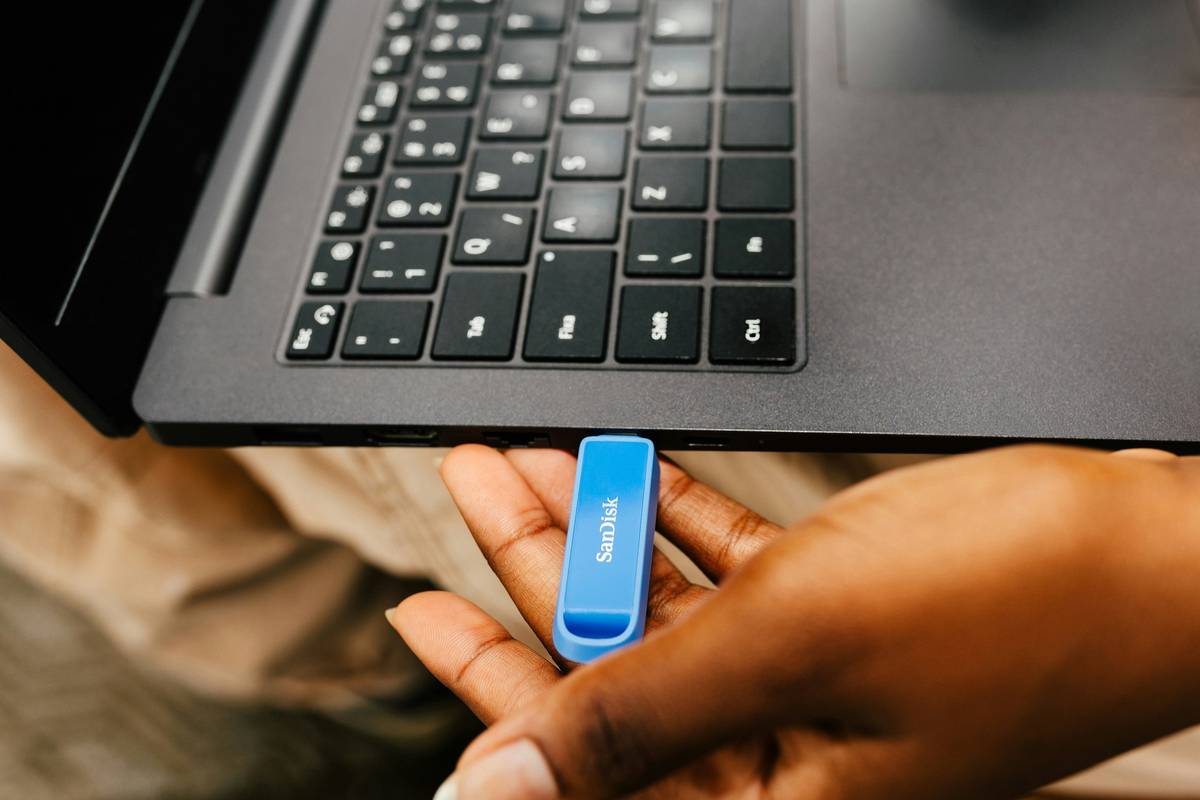
USB condoms block data pins but still allow charging. Useful for public ports. But for cameras or mics? You need full isolation. Anything less is placebo security.
| Method | Effectiveness | Cost | User Skill Required |
|---|---|---|---|
| OS Privacy Toggle | Low | $0 | None |
| USB Data Blocker (“Condom”) | Medium (for peripherals) | $8–$15 | None |
| Dedicated Hardware Privacy Tool (Kill Switch) | High | $25–$60 | Low |
| Custom Soldered Circuit Cut | Very High | $5 + time | Advanced |
The Industry Secret Nobody Talks About
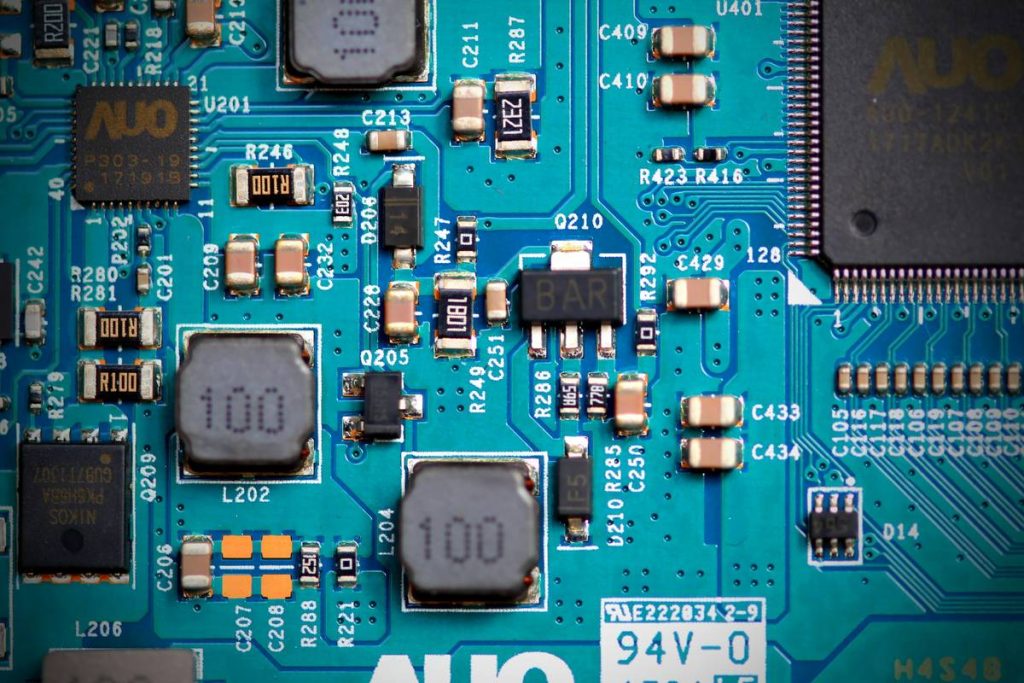
Major OEMs quietly design motherboards with hidden test points—unused pads near camera/mic circuits—that let engineers toggle power during diagnostics. Some privacy tools exploit these exact points. That’s why certain switches work flawlessly on Lenovo or Dell models but fail on MacBooks: Apple fuses the camera directly to the logic board with no serviceable interrupt point. The math is simple: if there’s no physical break option in the design, even a hardware privacy tool has limits. Always check your device’s service manual before buying.
Frequently Asked Questions
Can software fully replace a hardware privacy tool?
No. If malware gains kernel access, it overrides software switches. Only physical disconnection guarantees isolation.
Do these tools work on laptops with built-in cameras?
Yes—but compatibility varies. Research your model. Some require opening the chassis; others use USB-C inline modules.
Are hardware privacy tools worth the cost?
If you handle sensitive data, yes. For under $50, you buy certainty that no remote actor can silently watch or listen.